60 YEARS of The Nature Center at Shaker Lakes
EXPLORE...
...the exciting history of the Shaker Parklands, the Nature Center, and the Freeway Fight
For nearly 60 years, the Nature Center at Shaker Lakes has been dedicated to preserving and protecting the Shaker Parklands; not only its ecosystem, but its rich and vibrant history as well. One of the only things we can depend on in our world is the inevitability of its change. We can embrace the changes to our environment and our community while still honoring our history by recording the facts, telling stories, and commemorating the past through monuments or signs. Responsible stewardship keeps in mind both the needs of the environment and the families and communities that live within it.
“To conserve, preserve, protect and enhance the natural beauty of our park lands is the project we have chosen.”
- The Park Conservation Committee of Greater Cleveland, 1965
The Nature Center's Leaders Throughout the Years
Pre 19th Century
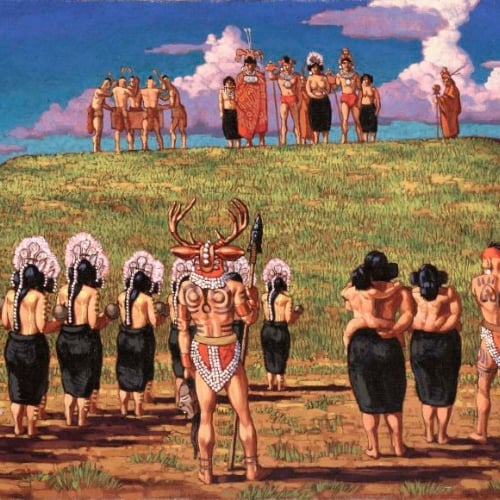
Indigenous people of Northeast Ohio
Thousands of years before the areas we now know as Cuyahoga County and the Shaker Parklands were first inhabited by European settlers, the region’s forests, hills, marshes, and waterways were called home by several indigenous people and cultures. These include the nomadic Paleoindian hunters, the Hopewell peoples, Whittlesey culture, and the Seneca and Ojibwa tribes.
The Shakers
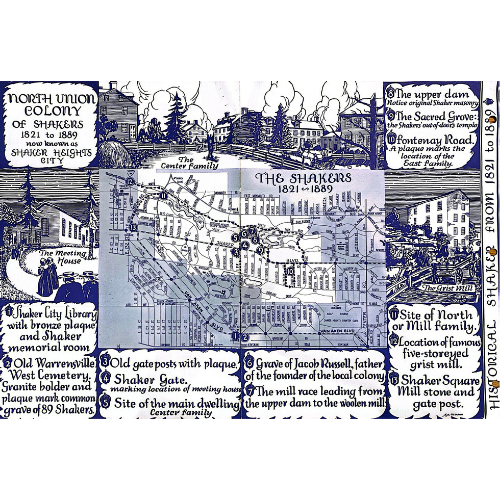
By the time the North Union Colony of Shakers was established in 1821, most Native Americans had been pushed to reservations in western Ohio. The Shakers arrival brought changes to the land, including the construction of the Lower Lake and Horseshoe Lakes Dams on Doan Brook, providing them with the amenities they needed to create a thriving, self-sustaining community until the colony’s disbandment in 1889. Today, we continue to honor and reflect on the memory of these founders for their ingenuity, while looking forward, with new technology and understanding of the best way to conserve our land.
Read More About the Shakers
The Shaker Lakes Park has long been recognized as a public treasure. Its history dates back to 1889, when the land transitioned from the North Union Shaker Community to public use, eventually becoming part of Cleveland’s park system. In 1896, it was deeded to the Doan Brook Park Commission, joining Ambler, Wade, Rockefeller, and Gordon Parks. By 1915, the deed transferred to the city of Cleveland by order of the Supreme Court of Ohio, and in 1947, portions of the park were leased to the cities of Shaker Heights and Cleveland Heights.
1821-1889
1960s
Clark-Lee Freeway
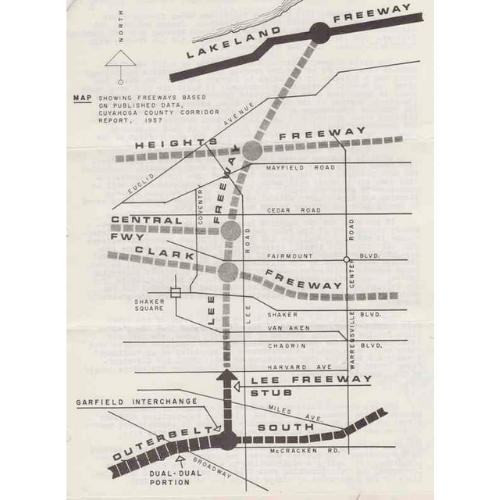
In the 1960’s, the Shaker Parklands were threatened by the proposed Clark-Lee Freeway. The route would have gone through the Parklands, connecting Cleveland’s East Side to Downtown. Community activists came together to save their beloved land, which so many had come to know as a place for rest and relaxation.
One strategy they used to prevent the freeway from being constructed was the establishment of the Nature Center.
Freeway Fighters: Protecting the Shaker Parklands
Cleveland’s expanding highway system threatened some of the city’s most treasured natural spaces. Proposals for the Clark and Lee Freeways would have cut through Horseshoe Lake and along the Doan Brook, including the site where the Nature Center now stands. County Engineer Albert Porter predicted that “100,000 people will be able to enjoy the lakes daily” from their cars—underestimating the parklands’ value as a natural refuge, educational resource, and community gathering place.
Read More About the Movement
Local residents, inspired by the growing national conservation movement, organized to protect these landscapes. Their strategy went beyond opposing a road: it highlighted the importance of environmental education, preserved the Shakers’ historical legacy, and demonstrated the significance of the parklands for the city’s ecological and social well-being. A coalition of 35 garden clubs, six civic organizations, and the Park Conservation Committee joined with the Committee for Sane Transportation and Environmental Policy (CSTEP) to lead the fight. They organized walking tours for officials, educational programs in local schools, citizen letter-writing campaigns, and commissioned an Audubon appraisal that concluded, “For the study of conservation and nature in an outdoor laboratory, there is no comparable area to the park within the limits of Greater Cleveland.”
The Freeway Fighters were a collective force, not a single individual. Garden clubs, civic organizations, and the Park Conservation Committee led coordinated efforts to protect the parklands. They organized walking tours for city officials, hosted school programs, encouraged residents to write letters, and raised awareness of the park’s educational and ecological value. These grassroots actions demonstrated the community’s commitment to environmental stewardship and played a crucial role in safeguarding the Shaker Parklands from freeway construction.
Meet the Freeway Fighters
Establishment of the Nature Center
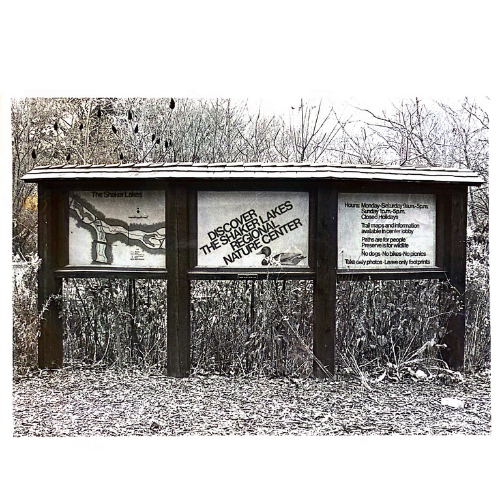
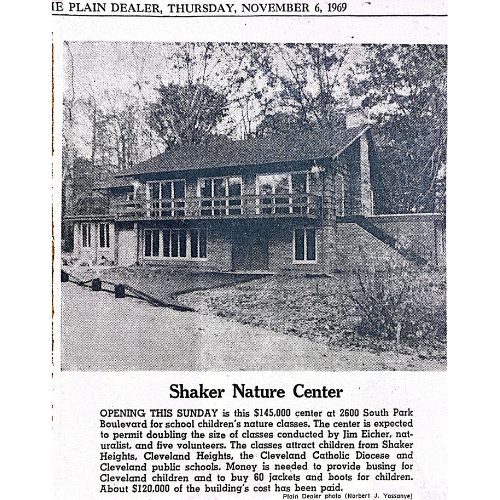
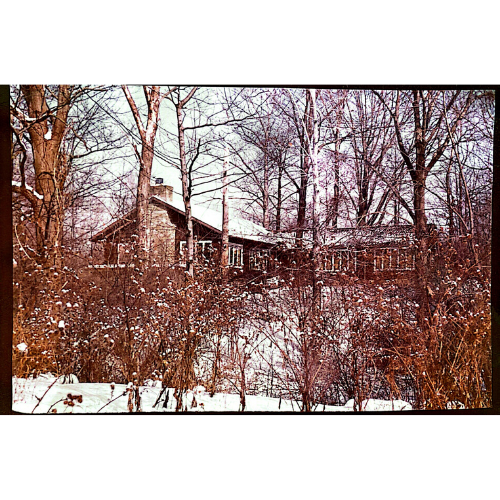
These efforts led to the creation of the Shaker Lakes Regional Nature Center in September 1966, now the Nature Center at Shaker Lakes. Fundraising and planning began immediately, with a building designed by Cleveland architect Maxwell Norcross completed in 1969. In 1971, Governor James Rhodes withdrew the Clark Freeway from the Interstate Highway System—a victory for local residents, environmental preservation, and the integration of conservation into city planning.
Read More About Architect Maxwell Norcross
Cleveland architect Maxwell Norcross, a member of the Shaker Heights Architectural Board, designed the Nature Center building completed in 1969. His vision harmonized the structure with the surrounding parklands, creating spaces for learning, observation, and community gathering. Norcross ensured that the building would support environmental education while preserving the integrity of the landscape—a design that allowed the Nature Center to grow as a hub for both people and nature.
Over the decades, the Nature Center has grown and evolved, incorporating sustainable practices and expanding facilities to serve as a thriving outdoor classroom, community hub, and lasting testament to the vision, determination, and environmental stewardship of the Freeway Fighters. Trails, gardens, and programs continue to flourish, reminding us that dedicated citizens can shape policy, safeguard nature, and inspire future generations to value and preserve the environment
1966
1967 - Present
Nature Center Newsletter
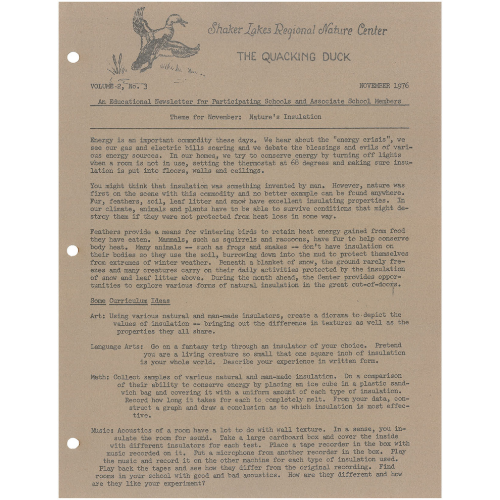
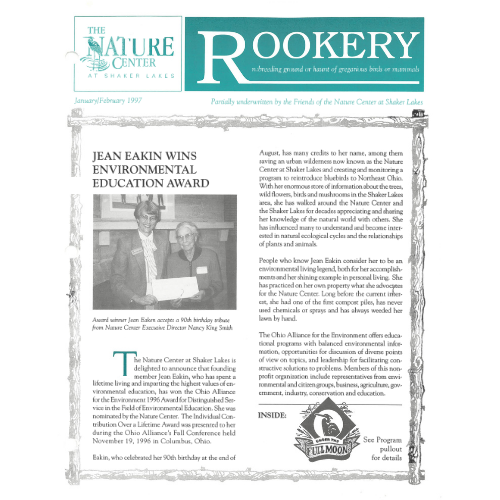
The Nature Center's first newsletter was published and mailed in October of 1967 as a monthly and bimonthly carrier of Nature Center news, updates, programs. It was simply titled "Newsletter." In the 70s, the newsletter took on the title "The Quacking Duck," but quickly returned to "Newsletter." In January 0f 1997, The Nature Center published its first "Rookery," a newsletter title that remains today.
The Nature Center Logo and Brand
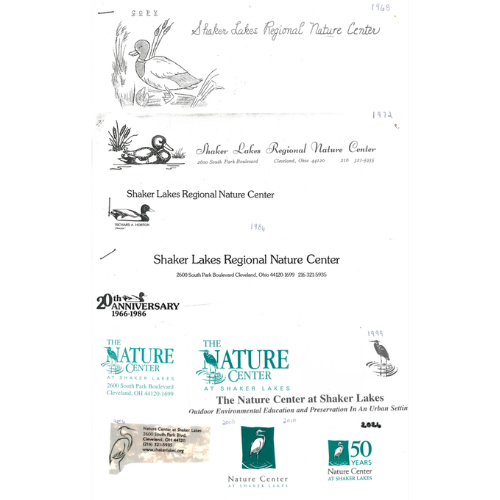
The Nature Center developed its first logo in 1968. The logo was a mallard duck which has had a few iterations over time. The logo eventually changed and became a heron in the 1990's, still present today. In 2016 the Nature Center undertook a brand refresh to modernize the logo to its current version of the heron. This year, to celebrate our 60th Anniversary, a new version of the heron was developed to help us celebrate 'Under One Moon.' Check out the header above to see it!
The Nature Center Annual Benefit
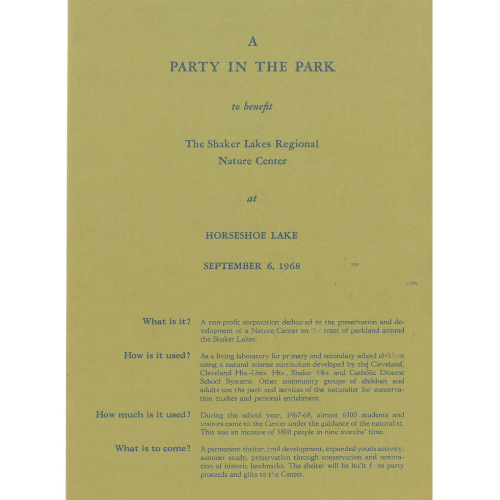
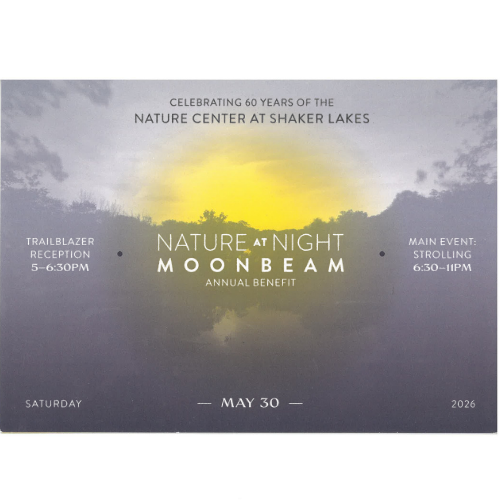
The Nature Center's Annual Benefit, currently dubbed Nature at Night, began in 1968 and was held in the fall at Horseshoe Lake. Since then, the Annual Benefit has evolved, sometimes occurring every other year, but is currently held every spring at the Nature Center. Past events have included sit down served dinners with raise the paddle style fundraising, to current strolling events known for their party feel where the community comes together to mingle, dance, and support the Center. It has historically been the largest fundraising event each year, and is a critical piece to ensure the Nature Center continues to thrive and support the community through environmental education and programming, as well as s best practice hub for conservation and land management
1968 - Present
1970s
Environmental Education
In its 60 year history, the Nature Center at Shaker Lakes has stood out among area nature centers for its hands-on discovery of the natural world. The Nature Center’s history as an “outdoor classroom” began in 1967, when teachers from four school districts putting on NCSL programs authored a teaching tool called the Curriculum Resource Guide. The guide centered around the idea that the perfect illustration for many science concepts rested on the Shaker Lakes trails. While the 1967-1968 school year saw 100 classes from nearby districts, we now see more than 500 classes from all over the city, including private schools.
The First Earth Day
The 1970s marked a massive shift in the state of conservation and environmental protection in Northeast Ohio, particularly in response to the 1969 Cuyahoga River fire. 1970 was the founding year of the United States Environmental Protection Agency and marked the first Earth Day on April 22nd, 1970. The decade ushered in new cultural attitudes around the environment, with people now seeing nature as something that must be protected and maintained.
1970
1971
Recognition by National Park Service
In 1971, the Nature Center at Shaker Lakes was named a National Environmental Education Landmark and National Environmental Study Area by the National Park Service. These designations reflect the importance of the Nature Center as a place for multiple generations to learn and grow.
Stearns Trail
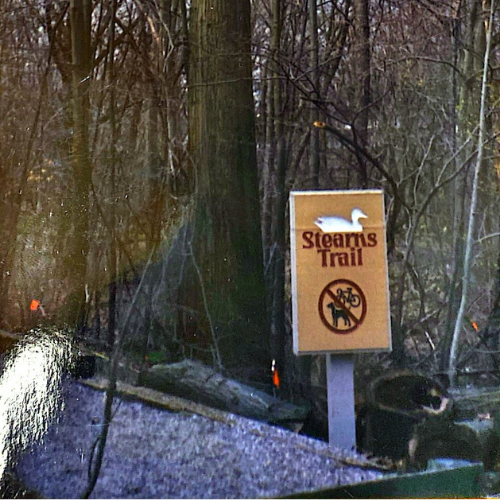
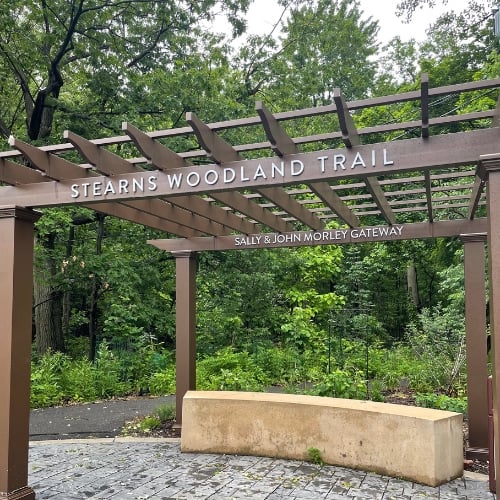
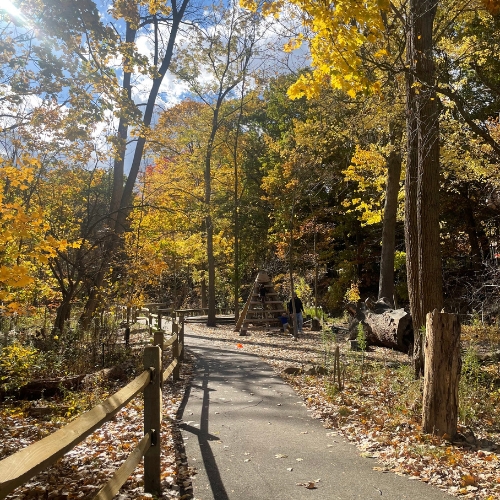
In 1973, the Stearns Woodland Trail was opened to further promote public enjoyment of our natural environment. This 1.5-mile trail offers a mix of paved and natural segments, including dirt, bridges, and boardwalks. Beginning at the Nature Center's Rusty Knight Woodland Garden, Stearns Trail winds through the floodplain forest along the Doan Brook and has been a major contribution to the Nature Center’s outdoor classroom.
1973
1982
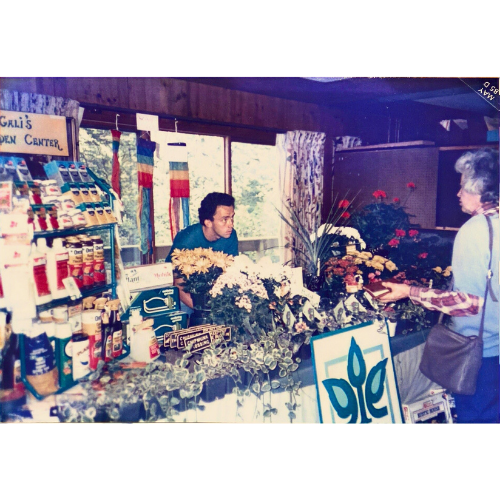
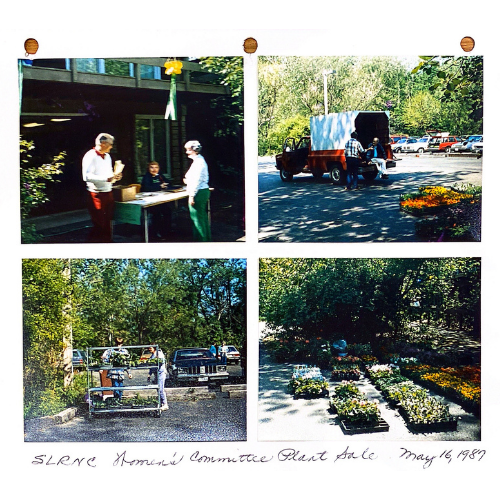
The First Plant Sale
The 1980s marked two significant changes for the Nature Center. The Annual Plant Sale began as a fundraiser in 1982 by a group of volunteers known as the Friends of the Nature Center at Shaker Lakes. To this day, volunteers and staff organize a beautiful selection of plant options, promote native landscaping, and organize sale activities.
Over 40 years later, the plant sale continues to raise funds for the Nature Center and unites the community as friends.
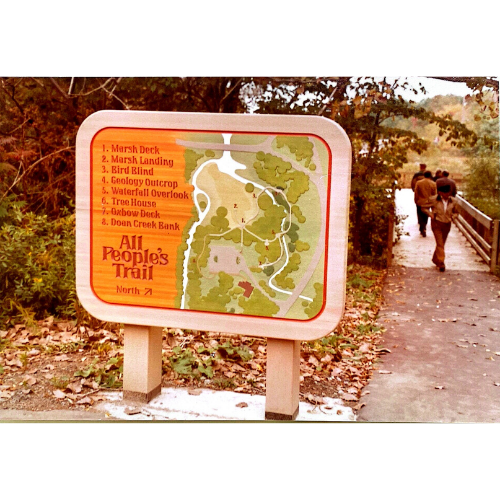
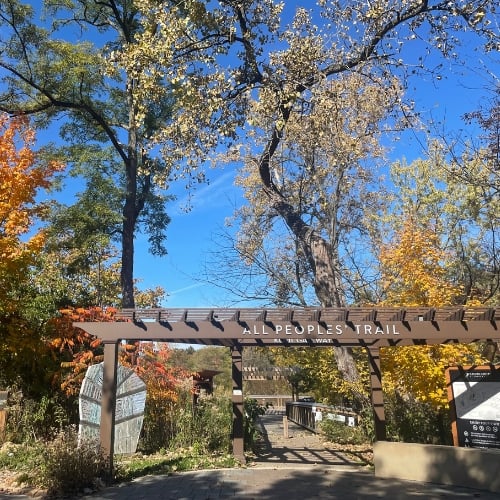
All People’s Trail
Since its opening in 1983, the All Peoples' Trail (APT) has connected our community with nature, giving all visitors a bird's-eye view of Doan Brook, allowing them to move through the forest canopy and immersing them in a marsh full of singing insects and migrating birds.
True to its name, the trail allows people of all abilities to access nature in unique and inspiring ways.
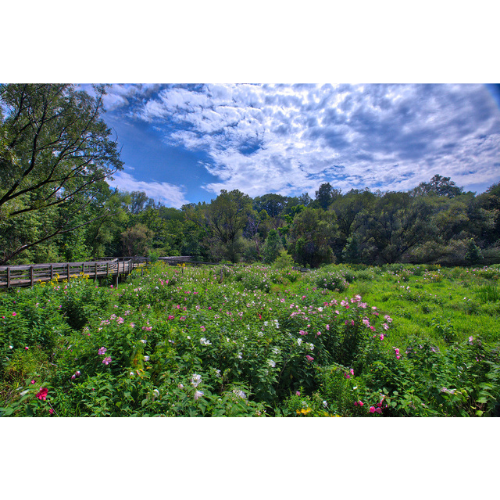
The newly renovated ADA accessible APT, completed in November 2019, is an elevated 1/3 mile boardwalk that offers nature access for people of all abilities. Originally completed in 1983, the trail has been a mainstay of the Nature Center and a treasured asset for visitors and educators alike. The trail winds through the forest, over the Doan Brook, and overlooks our signature marsh and Lower Shaker Lake. The marsh is beautiful in all seasons, but during the height of summer you will be awed by the picturesque splendor of the large native blooms of the Marsh Rose Mallow. The new ADA-accessible Cleveland Foundation N. Woodland Trailhead connects the trail to the surrounding neighborhood trails and the Shaker Parklands.
1983
1993
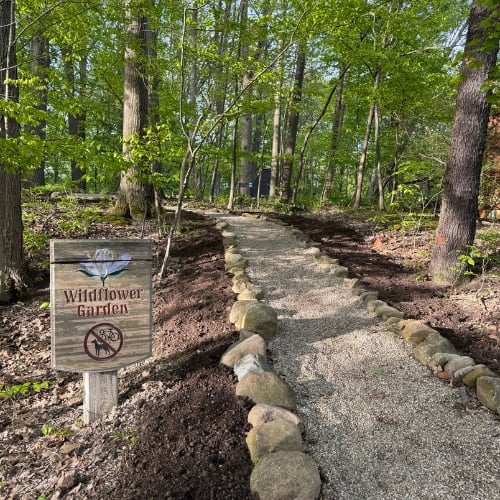
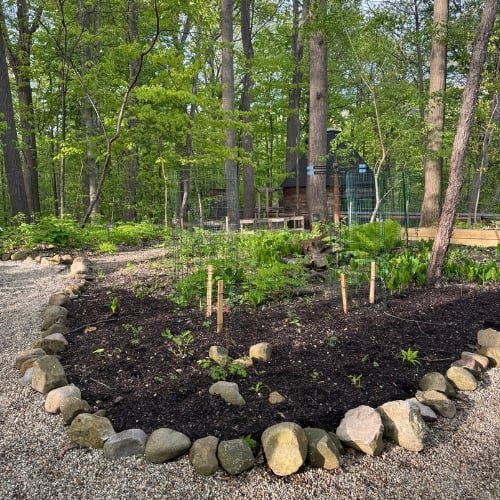
The Wildflower Garden
The Nature Center’s Rusty Knight Wildflower Garden is named after the former chairman of the Shaker Lakes Garden Club’s Wildflower Garden starting at its creation on April 27, 1993, and continuing for more than two decades. Native woodland flowers can be found in this garden including Butterbur, Bloodroot, Trilliums, Wakerobins, Coltsfoot, Toothwarts, and more. The garden serves as not only a tranquil, colorful spot for our guests to stop and rest, but also a shining example of the beauty that native plants can offer an outdoor space.
Friend's Pavilion
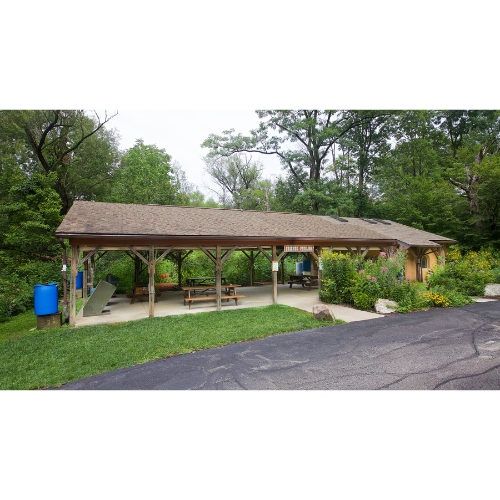
In 1995 the Nature Center’s Friends Pavilion was opened to the public as another amenity to provide our guests with a place to gather, attend events, and have a shady rest in nature. In accordance with the Nature Center’s values, the Pavilion was built using natural building materials such as the locally sourced treated lumber that the building and picnic tables are constructed from. The Pavilion was assembled through volunteer support, including members of the local Amish community.
1995

2003
Building Renovation
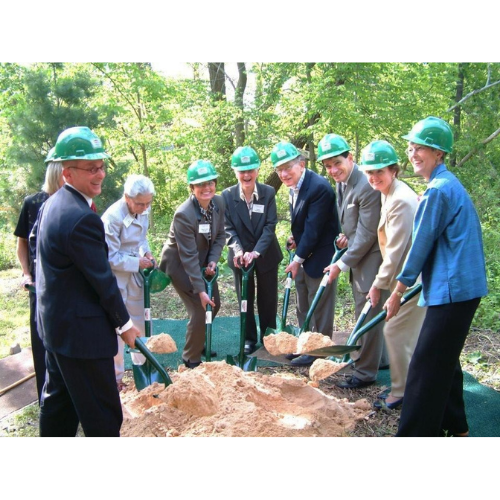
After decades of use and with the advancements in technology, the Nature Center undertook an immense $2.2M project to expand and update the buildings to be more environmentally-friendly in 2003. Sustainable building practices, including reusing existing building components and recycling construction materials, limited impact on trees and natural, adjacent habitats and a geothermal heating and cooling system were part of the renovation. The Center stands as a model for cost-effective, energy efficient and "green" design in the middle of an already-built community.
National Audubon Society designated the Nature Center as a worldwide Important Bird Area
The National Audubon Society is an American non-profit environmental organization dedicated to conservation of birds and their habitats. Nature centers and wildlife sanctuaries continue to be an important part of Audubon's work to educate and inspire the public about the environment and how to conserve it. Audubon's national network currently includes nearly 500 local chapters, 23 state programs, and 41 nature centers.
Hike & Run Established in memory of Jenny Goldman
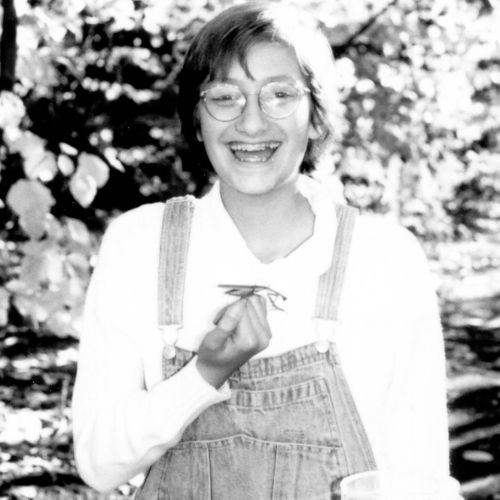
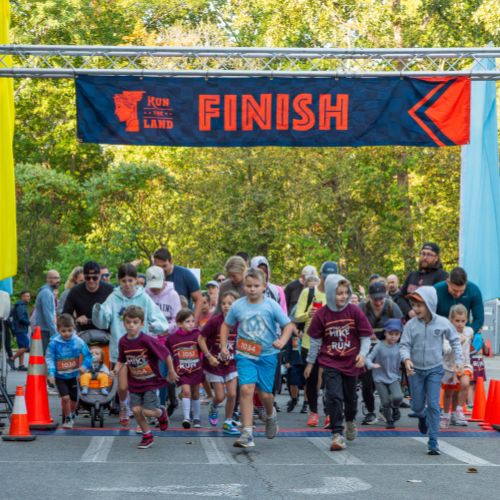
The Annual Shaker Lakes Hike & Run is a cherished community gathering founded in memory of a vibrant young woman, Jenny Goldman, who tragically passed at age 16 in a 2004 car accident. Jenny was an extraordinary individual, a dedicated naturalist from a very young age, and a Nature Center volunteer.
Jenny’s tragic passing was felt by the entire Shaker Heights community, with thousands showing up to her memorial and donating to her memorial fund. Jenny’s parents started the Jenny Goldman Memorial Outreach Fund and collaborated with the Nature Center to create an annual hiking event to fundraise for the fund and the Nature Center.
In 2014, the event was expanded to both hiking and running and renamed the Annual Shaker Lakes Hike & Run.
2004
2006
The Nature Center certified as an official Wildlife Habitat site by the National Wildlife Federation
The National Wildlife Federation (NWF) is the largest private, nonprofit conservation education and advocacy organization in the United States, with over six million members and supporters, and 51 state and territorial affiliated organizations. The Certified Wildlife Habitat program was founded in 1973 and its criteria for being named as a site include providing food, water, cover, and places to raise young through the use of native plants and other features such as nest boxes and water gardens.
One Tree Project 2003-2007
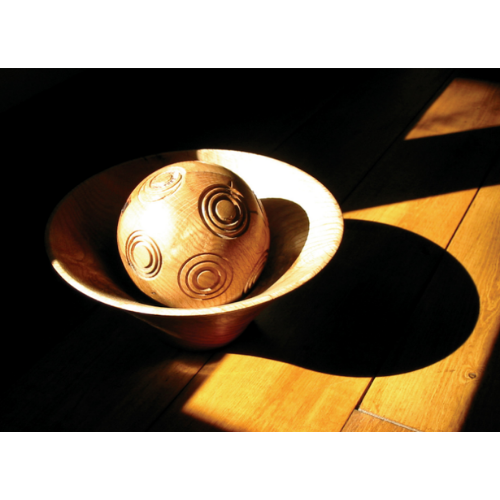
When the Nature Center’s building was expanded and renovated in 2003, it utilized sustainable, “green” building practices to add more classroom space, office space, an exhibit area and an elevator. Though the greatest care was taken to limit all impact to the environment, “One Tree” was unable to be saved.
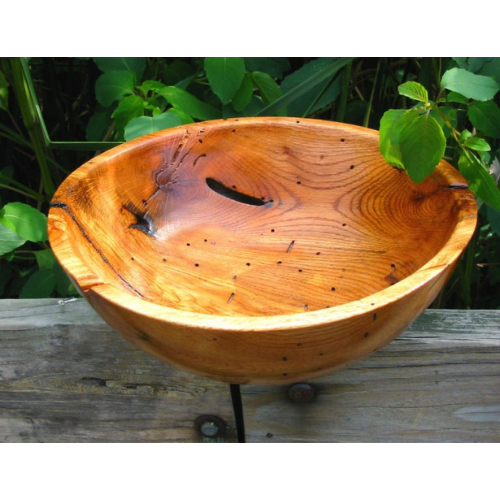
A 95-year-old declining red oak tree that once lived in front of the Nature Center had to be removed during the expansion, so the Nature Center launched the One Tree Project.
We collected the wood from the oak tree and reached out to 50 artisans to craft creative objects both functional and purely artistic from the wood. The project ended with a Afro-Cuban musical performance from Caledonia middle schoolers with drums made from the tree. We weren’t able to protect One Tree, but we were able to preserve it through the art pieces that came from its wood and the memories it made for so many people.
2007
2007
Stewardship Center
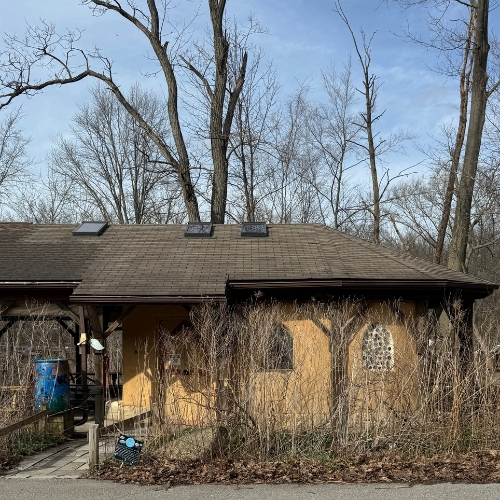
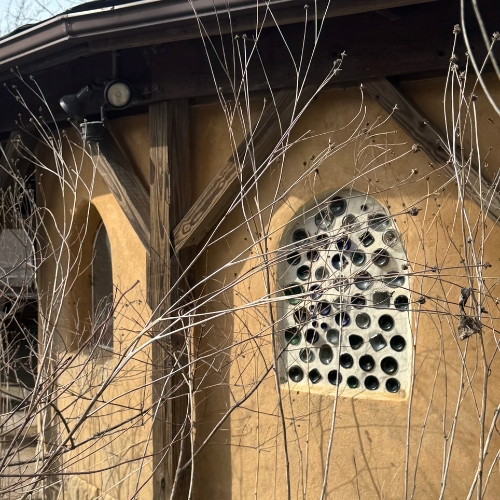
The Stewardship Center was built as an extension of the Friends Pavilion in 2007 to provide a space for the Nature Center’s stewardship volunteers, while also serving as an exhibit, educational site, and visitor gathering spot. The project couldn’t have been done without the support of the community, from donations of lumber, hardware, gutters, and skylights to hours of volunteer labor to $25,000 in donations to fund its construction. The Stewardship Center was constructed using sustainable building practices and utilized natural or recycled materials such as glass bottles, cob and straw walls, and clay.
Marsh Restoration
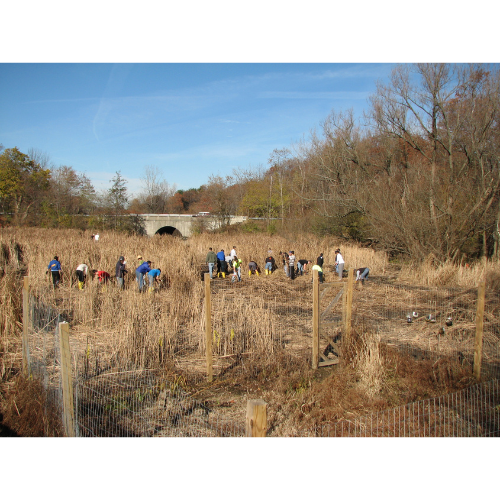
Invasive species threaten the balance of natural environments, often outcompeting native plants that are necessary to keep a balanced ecosystem. In 2009, the Nature Center’s marshlands were overgrown with invasive species, mainly cattails, so our Natural Resources team began a multi-year marsh restoration project, spraying invasives with herbicide and planting native species in their place primarily colorful native swamp rose mallow. Now, the marsh is thriving with native birds, insects and plants.
2009 - 2012
2016
Capital Campaign
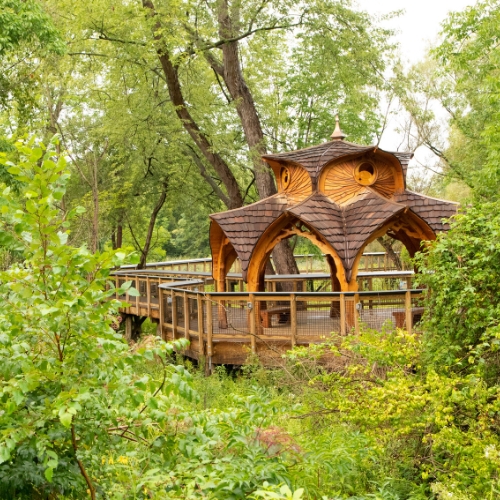
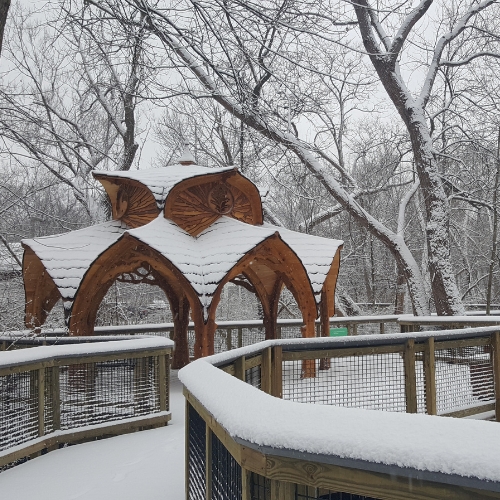
From 2016-2020, the Nature Center ran a successful capital campaign that raised $6.1 million for new outdoor amenities, including the Lavelle Family Amphitheater, Jimmy’s Treehouse, a rebuild and ADA accessibility upgrades to the All People’s Trail including the Rose Foundation Gazebo, and upgrades to Stearn’s Trail including the Nature Play Area.
This funding also allowed the Nature Center to create pedestrian connections to trails and neighborhoods, reconstruct our viewing areas, and complete habitat restoration across the 20-acre property. The generosity of capital campaign supporters made the Nature Center an even more magical place for families to gather and make memories.
Streambank Restoration Project
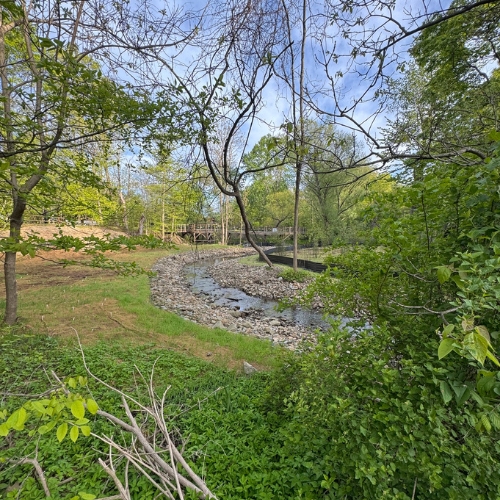
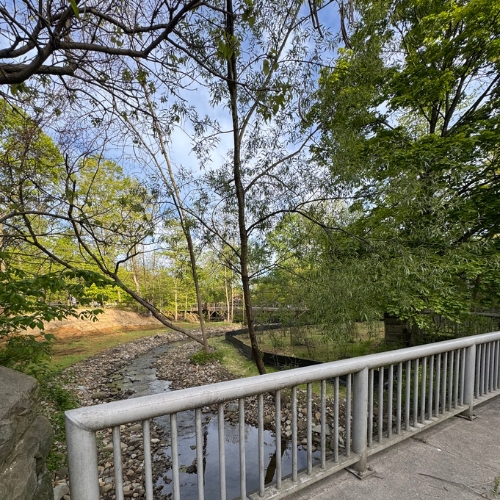
The Nature Center completed a stream bank restoration to over 1,500 linear feet of embankment on our property. The team collected data, and determined it was imperative to reconnect our waterway to the floodplains and increase the overall stream health throughout the Nature Center property.
Culverted streams and stormwater runoff from the surrounding development caused erosion. Lakes and dams along the Doan Brook also impair the normal sediment transport, creating a net loss of sediment (i.e. staring stream) downstream. Aggrading sediment accelerates bar development and lateral erosion, which was one of the primary issues creating concern within the Nature Center property as each branch of the Doan Brook nears the lake/wetland.
To combat this, NCSL leveraged $500k in public funds from the Ohio Environmental Protection Agency and the Northeast Ohio Regional Sewer District that were earmarked for sitewide erosion control and strategies for ecological enhancement throughout the property. This restored the stream banks on our property and reconnected the floodplain, with a design that accounted for the increased intensity of storms that climate change models are projecting.
Results and Benefits of the Stream Bank Restoration Include:
• Increased stormwater retention and storage in our wetlands
• Bioremediation of pollutants before flowing onward
• A reduction in sedimentation from the restoration of the erosion issues
• The protection and enhancement of the aquatic habitat for the flora and fauna of the property
• Removal of invasive species populations, specifically along the north branch and the lake impoundment, and installation of stream habitat structure which includes native plant species
2026